
Chemicals used in the formulation of cosmetic and personal care products. are essential in creating the products we use every day. From moisturizers to makeup, these chemicals play a significant role in ensuring that our favorite items are effective and safe. Understanding the ingredients in our cosmetics not only helps us make informed choices but also clears up misconceptions about the use of chemicals in beauty products.
These formulations often include various categories of chemicals, each serving specific functions such as preserving, emulsifying, or cleansing. By diving into the world of cosmetic chemistry, we can appreciate the balance between efficacy, safety, and consumer preferences that shape the beauty industry.
Introduction to Cosmetic Chemicals
Cosmetic chemicals play a pivotal role in the formulation of personal care products, serving various functions from enhancing texture and stability to providing desired effects such as hydration or sun protection. Understanding these chemicals is crucial not only for manufacturers but also for consumers who seek safe and effective products for their skin, hair, and overall well-being.Grasping the components of cosmetic formulations is essential for ensuring both safety and efficacy.
Many people may overlook the complexity of these products, assuming that all chemicals are harmful or unnecessary. Yet, the reality is that many synthetic and natural ingredients have been meticulously researched and tested to ensure they are beneficial and safe for use.
Common Misconceptions about Cosmetic Chemicals
Several widespread misconceptions surround the use of chemicals in cosmetics, leading to misunderstandings about their safety and effectiveness. Addressing these misconceptions can help consumers make informed choices:
-
All chemicals are harmful.
Many people equate “chemical” with “toxic,” but all substances, including water and oxygen, are chemicals. The key lies in understanding the context and concentration.
-
Natural ingredients are always better than synthetic ones.
While natural ingredients can be beneficial, they are not always devoid of risk. Some natural substances can cause allergies or irritation, just as synthetic ingredients can be perfectly safe and effective.
-
Cosmetics with few ingredients are always safer.
Simplicity in formulation does not guarantee safety. Many effective products contain multiple ingredients that work synergistically to achieve desired results.
-
Preservatives are unnecessary and harmful.
Preservatives are crucial for preventing microbial growth. Without them, products could harbor bacteria and other pathogens, putting users at risk.
Understanding these misconceptions helps to foster a more balanced view of cosmetic chemicals, ultimately leading to more informed decisions when selecting personal care products. By recognizing the importance of both natural and synthetic ingredients, consumers can appreciate the science that goes into creating effective cosmetic formulations.
Types of Chemicals in Cosmetic Formulations
Cosmetic formulations are composed of various chemicals that serve specific purposes, ensuring product efficacy, safety, and user satisfaction. Understanding the different categories of these chemicals is essential for anyone interested in the beauty and personal care industry. Each category plays a distinct role in enhancing the product’s performance while maintaining stability and safety for consumers.In cosmetic formulations, chemicals can be broadly classified into several categories, each with its own unique function.
Here are the primary categories that are commonly used in cosmetics, alongside their purposes and functions.
Categories of Chemicals
The following list encompasses the main types of chemicals found in cosmetic products, along with their specific roles:
- Preservatives: These chemicals are crucial for preventing microbial growth and extending the shelf life of products. They inhibit the growth of bacteria, fungi, and other harmful microorganisms that can compromise product integrity.
- Emulsifiers: Emulsifiers help blend oil and water components in formulations, creating stable emulsions. They are vital for products like creams and lotions, ensuring a smooth texture and consistent formulation.
- Surfactants: Surfactants lower the surface tension between substances, allowing for effective cleansing and foaming properties. They play a key role in shampoos and body washes, facilitating the removal of dirt and oils from the skin and hair.
- Thickeners: Thickeners are used to alter the viscosity of formulations, providing a desirable texture and consistency. They enhance product application and often improve the sensory experience for users.
- Fragrance and Colorants: These ingredients are added to enhance the sensory appeal of products, making them more attractive to consumers. Fragrances provide scent, while colorants give products a visually appealing appearance.
- Active Ingredients: These are bioactive compounds that provide specific benefits, such as anti-aging, sun protection, or moisturizing properties. They are often the key selling points of cosmetic products.
Comparison of Chemical Ingredients
To provide a clearer understanding of the various types of chemical ingredients and their roles in formulations, the following table summarizes their key functions:
| Type of Chemical | Function | Examples |
|---|---|---|
| Preservatives | Prevent microbial growth and extend shelf life | Parabens, Phenoxyethanol |
| Emulsifiers | Stabilize mixtures of oil and water | Glyceryl Stearate, Cetearyl Alcohol |
| Surfactants | Aid in cleansing and foaming | Sodium Lauryl Sulfate, Cocamidopropyl Betaine |
| Thickeners | Increase viscosity and improve texture | Xanthan Gum, Carbomer |
| Fragrance and Colorants | Enhance sensory appeal | Fragrance Oils, Iron Oxides |
| Active Ingredients | Provide specific skin benefits | Retinol, Hyaluronic Acid |
“Understanding the roles of these chemicals helps in selecting the right products for personal care.”
Safe Use and Regulations
The safety of cosmetic products relies heavily on the regulatory framework that governs the use of chemicals in these formulations. This structure is designed to protect consumers while allowing innovation in the beauty industry. Understanding these regulations helps manufacturers and consumers alike navigate the complex landscape of cosmetic safety.The regulatory landscape for cosmetic chemicals varies across regions, but primarily focuses on safety assessments that must be completed before products are marketed.
In many countries, regulatory bodies require extensive documentation to ensure that every ingredient is safe for use. This includes data on toxicological profiles, usage concentrations, and any potential effects on users.
Regulatory Framework for Cosmetic Chemicals
Several key global regulatory bodies oversee the safety and use of chemicals in cosmetics. Their guidelines ensure that products are tested and deemed safe for consumers. Notable organizations include:
- U.S. Food and Drug Administration (FDA): In the United States, the FDA does not approve cosmetics before they go to market but does regulate their labeling and safety. Manufacturers are responsible for ensuring that their products are safe and comply with the law.
- European Commission (EC): In the European Union, the EC implements strict regulations through the Cosmetics Regulation (EC) No 1223/2009, which mandates that all cosmetic products be assessed for safety before being sold.
- Health Canada: Canadian regulations require that all cosmetics be safe for use and properly labeled, with a focus on consumer health and safety.
- Cosmetics Ingredient Review (CIR): An independent panel of experts in the U.S. that assesses the safety of cosmetic ingredients and publishes their findings, helping guide the industry in safe practices.
In addition to these organizations, there are specific safety assessments that must be conducted for cosmetic ingredients. These include:
- Evaluation of toxicological data, including skin irritation and sensitization tests.
- Studies on the potential for systemic toxicity and reproductive effects.
- Assessment of exposure levels and cumulative effects from product usage.
“The safety of cosmetics is a shared responsibility among manufacturers, regulators, and consumers.”
Understanding the roles of these regulatory bodies and the rigorous assessments required helps ensure that cosmetic products meet safety standards, ultimately protecting consumer health.
Commonly Used Chemicals in Cosmetics
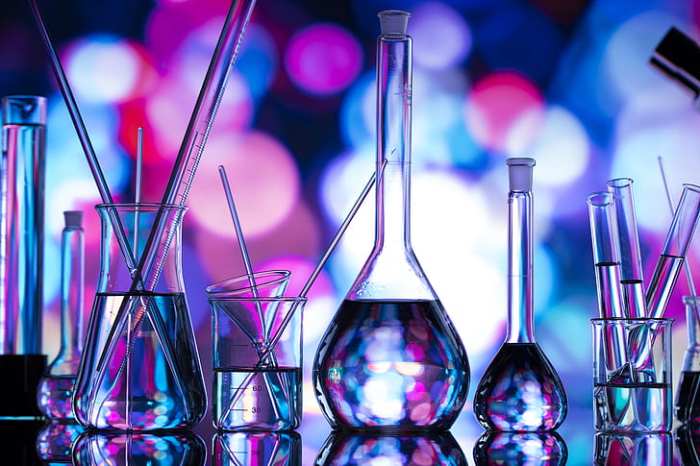
Cosmetic formulations are rich in a variety of chemicals, each serving specific purposes to enhance efficacy and user experience. Understanding these ingredients is essential for both consumers and manufacturers to ensure safety, effectiveness, and compliance with regulations.The interaction of these chemicals with the skin and other ingredients can significantly affect the overall performance of cosmetic products. Here’s a closer look at some commonly used chemicals in cosmetics, their benefits, and potential risks associated with their use.
Key Chemicals in Cosmetic Formulations
The following list highlights chemicals frequently found in cosmetic products, detailing their benefits and potential risks, along with their interactions with skin:
-
Water (Aqua)
Water is the primary solvent in many cosmetic formulations.
- Benefits: Hydrates the skin and helps to dissolve other ingredients.
- Risks: Not harmful; however, the quality of water used can affect product stability.
- Glycerin
Glycerin is a humectant that draws water to the skin.
- Benefits: Provides moisture, improving skin hydration and softness.
- Risks: Generally safe, but in very high concentrations, it can feel sticky.
- Parabens
Parabens are preservatives used to prevent bacterial growth.
- Benefits: Extends shelf life of products.
- Risks: Potential endocrine disruptors; some studies suggest links to breast cancer.
- Fragrance (Parfum)
Fragrance adds a pleasant scent to products.
- Benefits: Enhances user experience and product appeal.
- Risks: Can cause allergic reactions or skin sensitivities in some individuals.
- Retinol
Retinol is a form of vitamin A known for its anti-aging properties.
- Benefits: Stimulates collagen production and reduces fine lines.
- Risks: Can cause skin irritation and sensitivity to sunlight.
- Silicones
Silicones create a smooth texture and improve spreadability.
- Benefits: Provides a silky feel and imparts a barrier to moisture loss.
- Risks: Can build up on the skin, potentially clogging pores.
These chemicals are just a sampling of the numerous substances that can be found in cosmetic formulations. Understanding the nuanced roles they play can help consumers make informed choices about the products they use.
Natural Alternatives to Synthetic Chemicals
The increasing awareness about health and environmental sustainability has led to a significant rise in the use of natural ingredients in cosmetic formulations. Consumers are becoming more discerning, opting for products that promise not only efficacy but also safety and sustainability. This shift towards natural alternatives reflects a growing desire for transparency in ingredient sourcing and a preference for products derived from nature rather than synthetic processes.Natural ingredients, such as plant extracts, essential oils, and naturally derived emulsifiers, are often viewed as safer and more effective alternatives to synthetic chemicals used in cosmetics.
While both natural and synthetic ingredients can provide beneficial properties to cosmetic formulations, the effectiveness and safety of natural ingredients should be evaluated thoroughly. Natural ingredients are often less likely to cause irritation or allergic reactions, making them appealing to sensitive skin types. However, their efficacy can sometimes be less predictable than that of synthetic chemicals.
Pros and Cons of Using Natural Alternatives
When considering the use of natural ingredients in cosmetics, it’s important to weigh their advantages and disadvantages. Below is a table outlining the pros and cons of natural alternatives compared to synthetic chemicals.
| Pros | Cons |
|---|---|
| Derived from natural sources, reducing environmental impact. | Can be less stable and have a shorter shelf life. |
| Often gentler on the skin, reducing the risk of irritation. | May not be as effective in some formulations compared to synthetics. |
| Rich in antioxidants and vitamins, providing additional skin benefits. | Higher production costs may lead to more expensive products. |
| Increased consumer demand for sustainable and ethical products. | Potential for variability in effectiveness due to natural variations in raw materials. |
Natural alternatives offer a holistic approach to skincare, aligning with a growing consumer preference for sustainability and safety in cosmetic formulations.
Consumer Awareness and Label Reading
In today’s world, being informed about what goes onto our skin is crucial. With the vast array of cosmetic and personal care products available, consumers must develop the skills to read labels and understand ingredient lists comprehensively. Knowing how to interpret these labels allows individuals to make informed choices that align with their values and health needs.Understanding cosmetic labels can initially seem daunting due to the complex terminology and lengthy ingredient lists.
However, by familiarizing yourself with common terms and substances, you can quickly become adept at identifying harmful ingredients versus safer alternatives. Consumer awareness plays a pivotal role in promoting healthier lifestyle choices and advocating for transparency within the cosmetic industry.
Reading Cosmetic Labels
The first step in navigating cosmetic labels is to familiarize yourself with the format and common ingredients. Typically, ingredients are listed in descending order of concentration, meaning the first few ingredients make up the bulk of the product.Key tips for effective label reading include:
- Focus on the first five ingredients: These are the most significant components of the formulation. Be cautious of products with harmful substances listed here, such as parabens or phthalates.
- Beware of vague terms: Words like “fragrance” or “parfum” can include a variety of undisclosed chemicals, some of which may be harmful. Look for transparency in ingredient disclosure.
- Research unfamiliar ingredients: Just because an ingredient is unfamiliar doesn’t mean it’s bad. Use reliable resources to learn more about lesser-known substances.
- Look for certifications: Certifications like “cruelty-free,” “organic,” or “non-toxic” can provide additional assurance of product safety and ethical sourcing.
Identifying Harmful Chemicals
While many cosmetic products are safe, some contain ingredients that can pose health risks. Common harmful chemicals to watch out for include:
- Parabens: Preservatives that mimic estrogen and may disrupt hormone function.
- Phthalates: Often used to enhance fragrance and flexibility, these compounds have been linked to reproductive issues.
- Sodium Lauryl Sulfate (SLS): A surfactant that can cause skin irritation and allergic reactions in some individuals.
- Formaldehyde: A known carcinogen that can be found in some hair straightening treatments and nail polishes.
The importance of being aware of these chemicals cannot be overstated. By choosing products without these harmful additives, consumers not only prioritize their health but also encourage manufacturers to adopt safer formulation practices.
Importance of Consumer Awareness
Consumer awareness is essential for creating a demand for transparency in the beauty industry. When consumers take the time to educate themselves about cosmetic ingredients, they can make choices that reflect their personal values and health considerations.An informed consumer can influence the market by:
- Shifting trends: As more people seek out safe and natural products, brands are more likely to adapt and offer healthier options.
- Encouraging regulation: A well-informed public can advocate for stricter regulations on harmful ingredients in cosmetics.
- Creating community: Sharing knowledge about safe cosmetics fosters a community focused on health and wellness, benefiting everyone.
In summary, taking the time to read and understand cosmetic labels empowers consumers to make healthier choices. The knowledge gained through label reading not only promotes personal well-being but also contributes to a collective movement towards safer, more ethical beauty practices.
Future Trends in Cosmetic Chemistry
As the beauty industry continues to evolve, the future of cosmetic chemistry is being shaped by innovative formulations and a growing emphasis on sustainability. The integration of biotechnology and eco-friendly ingredients reflects a shift towards more conscious consumerism. This segment explores these emerging trends, highlights innovative methods in formulation, and predicts how consumer preferences may influence the landscape of cosmetic chemistry.
Emerging Trends in Cosmetic Formulations
The cosmetic industry is witnessing a surge of interest in products that leverage biotechnology and natural ingredients. These formulations not only provide effective results but also align with the values of environmentally conscious consumers. Biotechnology is playing a pivotal role by utilizing microorganisms and enzymes to create ingredients that are more effective and sustainable. For instance, fermented ingredients are gaining popularity due to their enhanced absorption and efficacy in skin care products.
Additionally, plant-based actives derived from algae, botanical extracts, and other natural sources are becoming commonplace, catering to a market that increasingly demands transparency and sustainability.
Influence of Consumer Preferences
Consumer preferences are shifting towards products that prioritize safety and environmental impact. This change is driven by the desire for clean beauty, with many consumers actively seeking out products free from harmful chemicals and synthetic additives. As a response, brands are reformulating their products to incorporate safer alternatives and highlighting these changes on their labels. For example, the rise of vegan and cruelty-free certifications reflects a growing consumer desire for ethical product choices.
This trend is expected to continue, pushing brands to innovate and prioritize sustainability in their supply chains and product development.
Innovative Methods in Personal Care Product Formulation
Innovative formulation techniques are redefining how personal care products are developed and delivered. One exciting method is encapsulation technology, which allows active ingredients to be delivered more effectively to the skin. This technique ensures that potent ingredients remain stable until they are applied, enhancing their efficacy.Moreover, 3D printing is emerging as a revolutionary technology in the cosmetic space. This method allows for the creation of personalized beauty products tailored to individual skin types and preferences, offering a one-of-a-kind experience for consumers.Another noteworthy trend is the use of AI and data analytics to predict consumer needs and preferences.
Brands are utilizing sophisticated algorithms to analyze market trends and consumer feedback, enabling them to formulate products that resonate with their target audience.
Conclusion and Anticipated Developments
As we look ahead, it is clear that the future of cosmetic chemistry will be shaped by a commitment to innovation, sustainability, and consumer consciousness. With ongoing advancements in technology and increasing awareness of ingredient safety, the cosmetic industry is poised for a transformative shift that aligns with the values of modern consumers.
Case Studies of Cosmetic Formulations
Exploring the world of cosmetic formulations offers a glimpse into the meticulous science behind everyday beauty products. This section delves into case studies showcasing successful products, the specific chemicals that enhance their effectiveness, and how these formulations resonate with consumers.
Successful Moisturizing Cream: Neutrogena Hydro Boost
Neutrogena Hydro Boost Water Gel is a prime example of an effective moisturizer that utilizes hyaluronic acid as its star ingredient.
| Ingredient | Function |
|---|---|
| Hyaluronic Acid | Hydration, moisture retention |
| Glycerin | Humectant, skin conditioning |
| Dimethicone | Emollient, smooth texture |
Hyaluronic acid is critical due to its ability to hold up to 1,000 times its weight in water, making it a powerful hydrating agent. The formula’s lightweight gel texture is attributed to the inclusion of dimethicone, providing a silky finish that leaves the skin feeling smooth without any greasiness. This combination of ingredients targets hydration while ensuring consumer satisfaction through a pleasant application experience.
Anti-Aging Serum: Olay Regenerist Micro-Sculpting Serum
Olay Regenerist Micro-Sculpting Serum highlights the effectiveness of a well-formulated anti-aging product through its unique blend of peptides and niacinamide.
| Ingredient | Function |
|---|---|
| Niacinamide | Brightening, anti-inflammatory |
| Palmitoyl Pentapeptide-4 | Stimulates collagen production |
| Hyaluronic Acid | Hydration, plumping effect |
Niacinamide plays a significant role in improving skin tone and reducing inflammation, while palmitoyl pentapeptide-4 supports collagen synthesis, enhancing the skin’s firmness and elasticity. The blend of these ingredients results in visibly improved skin texture, making it an appealing choice for consumers looking for effective anti-aging solutions.
Sunscreen Innovation: La Roche-Posay Anthelios Melt-in Milk Sunscreen
La Roche-Posay Anthelios Melt-in Milk Sunscreen sets a benchmark in sun protection with its innovative formulation that combines various chemical and physical sunscreens.
| Ingredient | Function |
|---|---|
| Avobenzone | Broad-spectrum UV protection |
| Octisalate | Enhances stability of sunscreen |
| Zinc Oxide | Physical UV filter |
Avobenzone provides broad-spectrum coverage against UVA rays, while octisalate enhances the stability of the formulation, ensuring effective sun protection throughout the day. The inclusion of zinc oxide not only offers a physical barrier against UV rays but also reinforces the product’s reputation as skin-friendly, appealing especially to sensitive skin types.
Hair Care Excellence: Olaplex No. 3 Hair Perfector
Olaplex No. 3 Hair Perfector has revolutionized hair repair through a unique bonding system that targets damaged hair.
| Ingredient | Function |
|---|---|
| Bis-Aminopropyl Diglycol Dimaleate | Repairs broken bonds |
| Cetearyl Alcohol | Conditioning, emulsifying |
| Glycerin | Moisturizing agent |
The key ingredient, bis-aminopropyl diglycol dimaleate, is designed to reconnect broken disulfide bonds in the hair, effectively repairing damage caused by chemical treatments and heat styling. This innovative approach leads to stronger, healthier hair, making it a favored product among professionals and consumers alike.
Closing Notes
In summary, the exploration of chemicals used in the formulation of cosmetic and personal care products reveals a complex yet fascinating world. From understanding their roles to recognizing the push towards natural alternatives, being informed empowers consumers to choose wisely. As trends evolve and awareness grows, staying updated on cosmetic ingredients will continue to be crucial for safe and effective personal care.
FAQ
What are the most common chemicals found in cosmetics?
Some of the most common chemicals include water, glycerin, preservatives like parabens, surfactants like sodium lauryl sulfate, and emulsifiers like cetyl alcohol.
How can I identify harmful chemicals in cosmetics?
Look for ingredients that are known irritants or allergens, such as synthetic fragrances, certain preservatives, and formaldehyde-releasing agents. Researching each ingredient can also help.
Are natural alternatives safer than synthetic chemicals?
Not necessarily; while many natural ingredients can be safe and effective, they can also cause reactions in some individuals. Safety depends on individual skin types and sensitivities.
How are cosmetic ingredients regulated?
Cosmetic ingredients are regulated by various global bodies, like the FDA in the U.S., which requires safety assessments before products can be marketed.
Why should I care about the chemicals in my cosmetics?
Being aware of the chemicals in your cosmetics allows you to make informed choices, helping you avoid potential allergens and irritants, and supporting your overall health.


