
Predictive Maintenance is revolutionizing how industries approach equipment management. Imagine having the ability to foresee equipment failures before they occur, saving time and costs while extending the life of your assets. This innovative maintenance strategy relies on data and technology, turning what was once a reactive process into a proactive one.
In this article, we’ll explore the evolution of predictive maintenance, its numerous benefits, and the cutting-edge technologies that make it possible. From the key differences compared to traditional maintenance strategies to practical implementation steps, you’ll gain a comprehensive understanding of why predictive maintenance is becoming essential in various sectors.
Introduction to Predictive Maintenance
Predictive maintenance is a proactive approach to maintaining equipment and machinery by using data analysis to predict when maintenance should be performed. This strategy helps organizations reduce downtime, optimize maintenance schedules, and ultimately save costs. By leveraging this technique, industries such as manufacturing, aviation, and energy can enhance their operational efficiency and reliability.Over the years, predictive maintenance has evolved significantly from traditional maintenance practices.
Initially, maintenance was often reactive, focusing on fixing equipment after failures occurred. The advent of technology and analytics changed this landscape, with the introduction of condition monitoring tools and more sophisticated data analytics capabilities. This evolution has shifted the focus towards a more strategic, data-driven approach, leading to the development of advanced techniques like machine learning and artificial intelligence that further refine predictive maintenance processes.
Key Differences Between Predictive Maintenance and Traditional Maintenance Strategies
Understanding the distinctions between predictive maintenance and traditional maintenance is critical for organizations aiming to improve their operational effectiveness. The following points illustrate the main differences:
- Timing of Maintenance: Traditional maintenance often relies on fixed schedules or performing maintenance after equipment failure, known as reactive maintenance. In contrast, predictive maintenance aims to anticipate failures before they occur through data analysis and condition monitoring.
- Cost Implications: Traditional methods can lead to higher costs due to unplanned downtime and emergency repairs. Predictive maintenance minimizes these costs by scheduling maintenance based on actual equipment condition, thus preventing unexpected failures.
- Data Utilization: Traditional maintenance may not leverage data effectively, often making decisions based on time or experience. Predictive maintenance utilizes real-time data collected from sensors and historical trends to guide maintenance decisions.
- Equipment Lifespan: With traditional maintenance, equipment can suffer from accelerated wear and tear due to reactive strategies. Predictive maintenance contributes to longer equipment life through timely interventions that address potential issues before they escalate.
In summary, predictive maintenance represents a significant advancement over traditional maintenance strategies, facilitating more efficient operations and reduced costs across various industries. As organizations continue to adopt data-driven approaches, predictive maintenance is expected to become increasingly integral to asset management and operational excellence.
Benefits of Predictive Maintenance
Predictive maintenance is not just a trend; it’s a smart strategy that can significantly enhance the efficiency, safety, and cost-effectiveness of operations. By utilizing advanced analytics and data-driven insights, organizations can anticipate equipment failures and address maintenance needs proactively. This approach leads to numerous advantages that can transform how businesses operate.One of the most compelling benefits of predictive maintenance is its potential to achieve substantial cost savings compared to reactive maintenance.
Reactive maintenance, which occurs after a failure has happened, often results in unexpected downtimes, emergency repairs, and higher labor costs. On the other hand, predictive maintenance allows companies to schedule maintenance activities during non-peak hours, minimizing disruptions and reducing overall maintenance costs.
Cost Savings from Predictive Maintenance
Understanding the financial implications of predictive maintenance is crucial for any organization aiming to optimize its maintenance strategy. Here are some key factors that contribute to cost savings:
- Reduced Downtime: Predictive maintenance can decrease equipment downtime significantly. By predicting when maintenance is needed, companies can avoid the high costs associated with emergency repairs and lost production.
- Longer Equipment Lifespan: Regular monitoring and timely maintenance can extend the life of machinery, which reduces costs related to premature replacements.
- Lower Repair Costs: Addressing maintenance issues before they lead to failures often results in less expensive repairs, as minor issues can be resolved before they escalate.
- Increased Productivity: With fewer interruptions and breakdowns, overall productivity increases, leading to higher revenue generation for the organization.
“Organizations can save up to 30% on maintenance costs and reduce downtime by 70% through effective predictive maintenance strategies.”
Improved Equipment Lifespan through Predictive Maintenance
Implementing predictive maintenance practices not only minimizes costs but also significantly enhances the lifespan of equipment. By continually analyzing equipment performance data, organizations can identify wear patterns and potential failures before they occur. Real-world examples highlight this transformation:
- Caterpillar: The construction equipment giant implemented predictive maintenance techniques across its fleet, leading to an estimated 20-25% increase in equipment lifespan due to timely interventions and maintenance efforts driven by data insights.
- General Electric: GE uses predictive maintenance for its jet engines, resulting in extended operational time and a significant reduction in servicing costs. By predicting failures, they ensure that maintenance is performed at optimal times, enhancing the longevity of their products.
- Siemens: Utilizing predictive analytics in its manufacturing processes has allowed Siemens to achieve a 30% reduction in maintenance costs while extending equipment life, demonstrating the powerful impact of data-driven maintenance on asset management.
By embracing predictive maintenance, organizations not only enjoy immediate cost benefits but also set the stage for sustainable growth and improved operational efficiency over the long term.
Technologies Used in Predictive Maintenance
Predictive maintenance has transformed the way industries manage their equipment and systems by relying on a diverse range of technologies. By utilizing advanced tools and methodologies, businesses can forecast potential failures before they occur, minimizing downtime and maintenance costs. The integration of technologies like IoT and artificial intelligence (AI) has been a game-changer, enabling more precise and timely decisions.The backbone of predictive maintenance lies in its data-driven approach.
Analyzing vast amounts of data collected from various sources allows organizations to identify patterns and anomalies that signal an impending equipment failure. This proactive strategy relies heavily on real-time data analytics, which can significantly enhance operational efficiency and longevity of machinery.
IoT and AI in Predictive Maintenance
The Internet of Things (IoT) and artificial intelligence (AI) serve as the foundation for predictive maintenance strategies. IoT involves a network of devices equipped with sensors that continuously monitor and collect data on equipment performance, environmental conditions, and operational status.
IoT Sensors
These devices gather a wide array of data such as temperature, vibration, and pressure, allowing for real-time condition monitoring.
AI Algorithms
AI processes vast datasets using machine learning techniques to identify trends and anomalies. This predictive capability enables businesses to make informed decisions based on historical performance and predictive models.The combination of IoT and AI not only enhances predictive capabilities but also creates a smart maintenance ecosystem where systems learn and adapt over time, improving their accuracy and efficiency.
Data Analytics in Predicting Equipment Failures
Data analytics is crucial in predicting equipment failures, as it transforms raw data into actionable insights. By employing various analytical techniques, organizations can detect irregularities that indicate potential breakdowns. Key methods used include:
Descriptive Analytics
Provides insights into what has happened in the past, helping to identify historical patterns of failures.
Diagnostic Analytics
Explains why a failure occurred by analyzing past incidents, which helps in understanding the root causes.
Predictive Analytics
Uses statistical models and machine learning to forecast future failures based on historical data patterns.The application of these analytical methods leads to improved reliability of equipment and better allocation of maintenance resources.
Sensors and Monitoring Tools Used in Predictive Maintenance
The effectiveness of predictive maintenance systems heavily relies on the sensors and monitoring tools deployed in the field. These instruments are essential for accurate data collection and monitoring. Commonly used tools include:
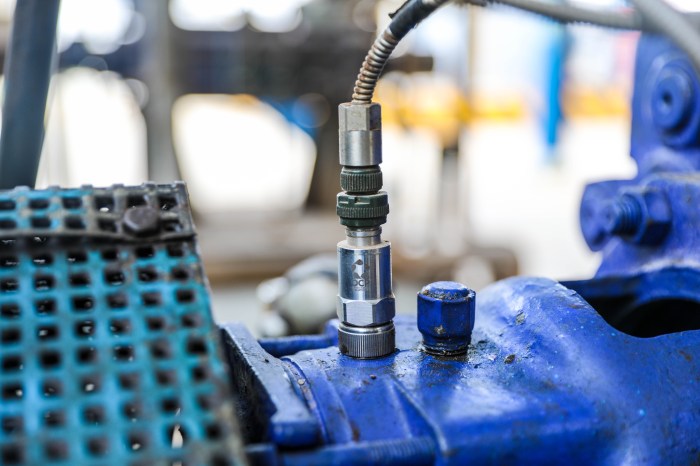
Vibration Sensors
Measure vibrations in machinery to detect imbalances, misalignments, and wear.
Temperature Sensors
Monitor heat levels in equipment, identifying overheating that could lead to failure.
Pressure Sensors
Help maintain optimal operating conditions by monitoring fluid pressure in systems.
Ultrasonic Sensors
Detect high-frequency sound waves that can indicate leaks or faults in mechanical systems.By leveraging these sensors and tools, industries can maintain operational efficiency while preventing costly downtime, leading to a more sustainable and productive environment.
Implementation Strategies
Implementing a predictive maintenance program can significantly enhance the efficiency and longevity of equipment in any organization. A well-structured approach ensures that you can effectively predict failures before they happen, thus saving costs and maximizing productivity. This section will guide you through the essential steps to successfully implement a predictive maintenance strategy, best practices to follow, and training methodologies for staff.
Step-by-step Guide to Implementing Predictive Maintenance
To successfully implement a predictive maintenance program, organizations should follow these key steps:
1. Define Objectives
Clearly Artikel the goals of the predictive maintenance program, such as reducing downtime or optimizing inventory levels for spare parts.
2. Assess Current Practices
Evaluate existing maintenance practices to identify gaps and areas for improvement. This assessment should involve an inventory of equipment and their historical performance data.
3. Select Appropriate Technologies
Choose the right technologies for data collection and analysis, such as IoT sensors or software analytics tools. The technology should align with the organization’s goals.
4. Data Collection
Implement a robust data collection strategy that gathers real-time performance data from equipment. This may include vibration analysis, temperature monitoring, and acoustic emissions.
5. Analyze Data
Utilize analytics tools to interpret the collected data. The goal is to identify patterns and predict potential failures based on historical performance and real-time data.
6. Develop Maintenance Strategies
Based on data analysis, create maintenance schedules that are proactive rather than reactive. This may involve scheduled inspections or predictive alerts.
7. Implement Changes
Roll out the predictive maintenance strategies across the organization. Ensure that all stakeholders are aware of the new practices and the technology involved.
8. Monitor and Adjust
Continuously monitor the effectiveness of the predictive maintenance program and adjust strategies as necessary based on feedback and performance data.
Best Practices for Successful Predictive Maintenance Implementation
Adhering to best practices can significantly enhance the success rate of your predictive maintenance program. Consider the following points:
Start Small
Begin with a pilot program on critical equipment to validate the approach before scaling it organization-wide.
Engage All Stakeholders
Involve everyone affected by maintenance practices, from operators to management, to ensure buy-in and support.
Focus on Data Quality
Emphasize the importance of high-quality data collection and ensure that sensors are calibrated and maintained regularly.
Regular Training
Implement continuous training programs for staff to keep them updated on the latest technologies and methodologies in predictive maintenance.
Utilize Expert Insights
Collaborate with industry experts or consultants to gain insights on best practices specific to your sector.
Regular updates and feedback loops are crucial for the sustained success of predictive maintenance efforts.
Training Methodologies for Staff on Predictive Maintenance Techniques and Tools
Training staff effectively is vital for the successful implementation of predictive maintenance. Here are some proven methodologies:
1. Hands-on Training
Provide practical training sessions where staff can interact with the predictive maintenance tools and technologies. This can involve simulations or real-world scenarios.
2. Workshops and Seminars
Organize workshops led by industry experts to educate staff on the latest predictive maintenance strategies and technologies.
3. E-Learning Platforms
Utilize online training modules that allow employees to learn at their own pace. This can cover fundamental concepts and advanced analytical techniques.
4. Cross-Departmental Training
Encourage knowledge sharing between different departments to foster a collaborative environment where maintenance and operations staff understand each other’s roles better.
5. Feedback Mechanisms
Establish feedback channels where staff can share their experiences and suggestions on the predictive maintenance process, which can inform future training programs.Engaging staff effectively through these training methodologies will enhance their skills and improve the overall success of the predictive maintenance program.
Case Studies of Predictive Maintenance
Predictive maintenance has gained traction across various industries, demonstrating its potential to improve operational efficiency, reduce downtime, and enhance asset longevity. Through real-world applications, organizations have successfully harnessed this strategy to transform their maintenance approaches. Let’s explore notable case studies that illustrate the effectiveness of predictive maintenance, the challenges encountered, and the quantifiable outcomes achieved.
Manufacturing Sector Case Study
In the manufacturing industry, a leading automobile manufacturer implemented predictive maintenance on their assembly line machinery. Utilizing sensors and advanced analytics, they monitored equipment performance in real-time. The key challenges included integrating new technology into existing systems and training staff to adapt to data-driven decision-making.To address the integration issue, the company collaborated with technology partners to ensure seamless connectivity between old and new systems.
Staff training involved hands-on workshops and support from data analysts, which facilitated a smoother transition. As a result of these efforts, the manufacturer reported a 30% reduction in unplanned downtime, leading to an estimated savings of $5 million annually.
Utilities Sector Case Study
A major utility company adopted predictive maintenance for its power generation assets. The utility faced aging infrastructure and increasing demand for energy, necessitating a shift from reactive to proactive maintenance strategies. They implemented condition-based monitoring systems that relied on IoT devices to gather data on equipment health.Overcoming resistance from maintenance teams was crucial. The company organized informational sessions showcasing data analysis to illustrate potential efficiency gains.
Through this engagement, they fostered a culture of acceptance towards predictive maintenance. After a year, the utility achieved a 25% increase in asset reliability and a significant drop in maintenance costs, resulting in improved service delivery to customers.
Aerospace Industry Case Study
An aerospace manufacturer applied predictive maintenance to their fleet of aircraft engines. The company faced high operational costs due to extensive downtime and repair delays. By deploying machine learning algorithms to analyze engine performance data, they could predict potential failures before they occurred.The implementation challenge included managing the vast amounts of data generated and ensuring compliance with safety regulations. The firm invested in robust data management systems and worked closely with regulatory bodies to establish guidelines.
This strategic approach led to a 40% reduction in maintenance-related incidents and increased operational efficiency, yielding savings of approximately $10 million over three years.
Oil and Gas Sector Case Study
In the oil and gas sector, a major exploration company integrated predictive maintenance for their drilling rigs. With operational risks and high costs associated with unplanned maintenance, they utilized data analytics to monitor equipment conditions continuously. Initial challenges involved the rugged environment of drilling sites, which complicated sensor deployment.The company partnered with technology providers to develop more durable sensors suitable for harsh conditions.
Training programs were instituted to build confidence in data interpretation among field operators. This initiative resulted in a 50% decrease in equipment failures, significantly enhancing safety and reducing downtime, which translated into an estimated cost savings of $8 million.
“Predictive maintenance not only saves costs but also builds a proactive maintenance culture that enhances overall productivity.”
Through these diverse industry case studies, it is evident that while challenges during the implementation of predictive maintenance can be significant, the successful navigation of these hurdles leads to substantial and measurable benefits for organizations.
Future Trends in Predictive Maintenance
As industries continue to evolve, predictive maintenance is poised to undergo significant transformations. The integration of advanced technologies and practices will shape the future landscape, offering new possibilities for efficiency and reliability. This section delves into the emerging trends that are set to revolutionize predictive maintenance, particularly the roles of machine learning and artificial intelligence, and how these innovations will address future challenges while presenting substantial opportunities.
Emerging Trends in Predictive Maintenance Technology
The field of predictive maintenance is experiencing rapid advancements driven by technological innovations. Several trends are emerging that will redefine how organizations approach maintenance strategies.
- Integration with IoT: The Internet of Things (IoT) is facilitating real-time data collection from equipment. Sensors embedded in machinery provide continuous monitoring, enabling predictive analytics based on actual usage patterns.
- Cloud Computing: Cloud platforms enhance data processing capabilities, allowing companies to analyze vast amounts of data without the need for extensive local infrastructure. This shift enables easier access to predictive maintenance tools and datasets.
- Digital Twins: A digital twin is a virtual replica of a physical asset. By simulating real-world conditions, organizations can predict maintenance needs more accurately and test scenarios before applying changes to physical systems.
Impact of Machine Learning and Artificial Intelligence
Machine learning (ML) and artificial intelligence (AI) are transforming predictive maintenance by enhancing the ability to analyze data and predict failures with unprecedented accuracy. These technologies can identify patterns that are often missed by traditional analysis methods.
With ML algorithms, systems can learn from historical data, improving their predictive capabilities over time. For instance, companies like GE and Siemens are utilizing AI to optimize their maintenance schedules based on predictive analytics, which is resulting in reduced downtime and cost savings.
“The real power of AI in predictive maintenance lies in its ability to continuously learn and adapt to new conditions, leading to increasingly refined predictions over time.”
Future Challenges and Opportunities
While the future of predictive maintenance is promising, it presents both challenges and opportunities that organizations must navigate. Key considerations include:
- Data Management: The volume of data generated by IoT devices can be overwhelming. Effective data management strategies are critical to ensure that relevant information is utilized for predictive insights.
- Skill Gaps: The shift towards digital maintenance requires skilled professionals who can interpret complex data and leverage advanced technologies. Organizations may need to invest in training programs to develop these capabilities.
- Cybersecurity Risks: Increased connectivity through IoT devices raises concerns regarding data security. Companies must prioritize robust cybersecurity measures to protect sensitive information and maintain operational integrity.
- Investment in Technology: The initial investment in predictive maintenance technologies can be significant. However, organizations that adopt these technologies early may gain a competitive advantage through improved efficiency and reduced operational costs.
The future of predictive maintenance is set to be dynamic, with continuous advancements in technology offering vast potential for organizations willing to embrace these changes.
Conclusion and Recommendations
Predictive maintenance has emerged as a crucial strategy for organizations aiming to enhance operational efficiency and reduce downtime. Throughout our discussion, we have explored the various aspects of predictive maintenance—from its fundamental principles to its transformative benefits, the technologies that power it, and the practical steps for implementation. As industries continue to evolve, integrating predictive maintenance will be key to staying competitive.Effective implementation of predictive maintenance requires an understanding of both the technology and the organizational readiness.
Organizations have reported significant reductions in maintenance costs and improved equipment lifespan through predictive approaches. One prominent example is a leading manufacturing company that reduced their equipment downtime by 30% after adopting predictive maintenance, showcasing the tangible benefits that can be achieved.
Actionable Recommendations for Adoption
For organizations considering the transition to predictive maintenance, it is important to take specific, well-planned steps. These recommendations can guide the adoption process effectively:
1. Conduct a Readiness Assessment
Evaluate current maintenance practices, technology infrastructure, and data management capabilities. This foundational assessment will highlight areas of strength and opportunities for improvement.
2. Invest in Training
Ensure that employees are trained on predictive maintenance technologies and methodologies. This maximizes the potential of the tools being implemented.
3. Start with Pilot Projects
Begin with small-scale pilot projects to test predictive maintenance strategies and technologies. This helps in understanding the practical challenges and benefits before a full-scale rollout.
4. Utilize Data Analytics
Leverage data analytics tools to analyze equipment performance and predict failures. Invest in software that can integrate seamlessly with existing systems to gather and interpret data effectively.
5. Establish Clear KPIs
Define key performance indicators that will help measure the success of predictive maintenance initiatives. These metrics can include downtime reduction, cost savings, and maintenance cycle improvements.
Readiness Evaluation Checklist
Assessing the readiness for adopting predictive maintenance can streamline the transition and maximize success. Here’s a checklist to evaluate your organization’s preparedness:
Current Maintenance Practices
Are existing maintenance strategies aligned with predictive maintenance principles?
Data Availability
Is there a robust system for collecting and storing operational data?
Technology Infrastructure
Does the organization have the necessary technology and software to implement predictive maintenance?
Employee Expertise
Are staff members trained in data analysis and maintenance technologies?
Management Support
Is there buy-in from leadership for the adoption of predictive maintenance practices?
Financial Resources
Are there sufficient funds allocated for technology investments and training?
Change Management Process
Is there a clear plan for managing the organizational change that comes with implementing new maintenance strategies?Using this checklist can help organizations gauge their readiness and take the necessary steps towards successful predictive maintenance adoption. The proactive approach not only minimizes risks but also sets the stage for enhanced operational performance.
End of Discussion
As we’ve seen, adopting predictive maintenance can lead to remarkable improvements in efficiency and cost savings for organizations. With advancements in technology and a shift towards data-driven decision-making, the future of maintenance looks promising. Now is the time for organizations to embrace predictive maintenance and reap the benefits of a more strategic approach to asset management.
FAQ Explained
What industries benefit most from predictive maintenance?
Industries such as manufacturing, transportation, and energy are among those that benefit significantly from predictive maintenance due to their reliance on machinery and equipment.
How does predictive maintenance reduce costs?
By preventing equipment failures, organizations avoid costly downtime and emergency repairs, leading to overall cost savings.
What types of data are used in predictive maintenance?
Data collected from sensors, maintenance logs, and operational statistics are typically analyzed to predict when maintenance should be performed.
Is predictive maintenance suitable for small businesses?
Yes, small businesses can also benefit from predictive maintenance, especially if they rely heavily on equipment, although implementation may require careful planning.
What are some challenges in implementing predictive maintenance?
Challenges can include high initial costs, the need for skilled personnel, and integrating new technologies with existing systems.


