
Solar panels have become a crucial part of our journey toward sustainable energy, transforming sunlight into usable power. They not only represent a significant technological advancement but also hold the key to reducing our carbon footprint and promoting energy independence.
From their humble beginnings to the modern innovations we see today, solar panels have evolved significantly. Understanding their various types, benefits, and installation processes is essential for anyone considering making the switch to solar energy.
Introduction to Solar Panels
Solar panels are devices that convert sunlight into electricity, harnessing the sun’s energy to power homes, businesses, and even entire cities. They represent a significant advancement in technology aimed at promoting sustainable energy sources. By utilizing photovoltaic (PV) cells, solar panels generate electricity when exposed to sunlight, making them a pivotal component in the shift toward renewable energy.The development of solar panel technology has its roots in the 19th century, with the first photovoltaic effect being observed by Alexandre-Edmond Becquerel in 1839.
However, it wasn’t until the mid-20th century that practical solar cells were developed, particularly with the invention of the silicon solar cell in 1954 by Bell Labs. This breakthrough opened the door for commercial solar applications, leading to a steady evolution in efficiency and affordability. Today, solar panels are ubiquitous in various applications, ranging from residential roof installations to large-scale solar farms, reflecting the growing demand for clean energy solutions.
Importance of Solar Panels in Renewable Energy Sources
Solar panels play a crucial role in the broader context of renewable energy, contributing to a more sustainable energy future. Their importance can be highlighted through several key points:
- Reduction of Greenhouse Gas Emissions: Solar energy is clean and produces no harmful emissions during operation, significantly reducing carbon footprints.
- Energy Independence: By utilizing solar energy, countries can decrease their dependence on imported fossil fuels, enhancing energy security.
- Job Creation: The solar industry has become a significant job creator, providing numerous employment opportunities across various sectors, including manufacturing, installation, and maintenance.
- Scalability: Solar panel systems can be deployed in a variety of scales, from small residential setups to large utility-scale solar farms, making them versatile for different energy needs.
- Technological Advancements: Continuous research and development are leading to improved efficiency rates and lower costs, making solar energy more accessible to a broader audience.
In summary, solar panels epitomize a shift towards renewable energy sources, driving progress in both environmental health and economic growth. Their integration into daily life marks an essential step in addressing climate change and promoting sustainable energy practices.
Types of Solar Panels
Solar panels are a vital component in harnessing solar energy, and each type comes with its unique features and efficiencies. Understanding the different types can help consumers make informed decisions based on their energy needs and installation environments. Three main types of solar panels dominate the market: monocrystalline, polycrystalline, and thin-film. Each type has its strengths and weaknesses, making them suitable for various applications and settings.
Monocrystalline Solar Panels
Monocrystalline solar panels are made from a single crystal structure, providing high efficiency and durability. These panels are known for their sleek appearance and occupy less space due to their high power output.
Features
High efficiency rates, typically between 15-22%
Longer lifespan, often exceeding 25 years
Performs better in low-light conditions –
Applications
Ideal for residential rooftops where space is limited
Suitable for solar farms where high efficiency is required
Commonly used in urban areas due to their aesthetic appeal
Polycrystalline Solar Panels
Polycrystalline solar panels consist of multiple crystal structures, which are created by melting several silicon crystals together. These panels are generally less expensive but have slightly lower efficiency compared to monocrystalline panels.
Features
Efficiency rates between 13-16%
More affordable than monocrystalline panels
Slightly less space-efficient due to lower power output –
Applications
Perfect for large-scale installations where budget is a concern
Suitable for residential installations if space is not an issue
Often used in commercial solar projects due to cost-effectiveness
Thin-Film Solar Panels
Thin-film solar panels are made by depositing a thin layer of photovoltaic material onto a substrate. They are lightweight and flexible, making them suitable for a variety of applications.
Features
Generally lower efficiency, ranging from 10-12%
Flexible and lightweight design, allowing versatile applications
Better performance in high temperatures compared to crystalline panels –
Applications
Ideal for building-integrated photovoltaics (BIPV), such as solar shingles
Used in portable solar chargers and panels for camping
Suitable for large installations where space is abundant
“Choosing the right solar panel type can significantly impact efficiency and overall energy savings.”
Benefits of Solar Panels
Solar panels offer a multitude of advantages that extend beyond just powering your home or business. They play a significant role in environmental conservation, financial savings, and energy independence. Let’s delve into these benefits in more detail.
Environmental Benefits
The environmental advantages of solar panels are paramount in today’s eco-conscious world. By harnessing energy from the sun, solar panels reduce reliance on fossil fuels, which are major contributors to greenhouse gas emissions. This transition plays a crucial role in mitigating climate change and improving air quality.
-
Solar energy is a renewable resource, meaning it won’t deplete over time.
This helps preserve natural resources for future generations.
- Using solar panels drastically lowers the carbon footprint of households and businesses. For instance, a typical residential solar panel system can reduce carbon dioxide emissions by approximately 100 tons over its lifetime, equivalent to planting over 2,500 trees.
- Solar energy production requires little to no water, unlike conventional energy sources, which often consume significant amounts for cooling and processing. This is especially important in areas facing water scarcity.
Financial Advantages
Installing solar panels can provide significant financial benefits, especially in the long run. The initial investment is often outweighed by the savings accrued over time, benefiting both homeowners and businesses.
- Solar panels can lead to reduced energy bills by generating electricity that offsets the amount of power drawn from the grid. Many users report savings of 50% or more on their monthly energy bills.
- Government incentives and tax rebates can further reduce the upfront costs of solar installations. In the U.S., programs like the federal solar tax credit can cover a substantial portion of installation costs, making solar power more accessible.
- Investing in solar can increase property value. Homes with solar energy systems often sell for more than those without, sometimes by as much as $15,000 according to various real estate studies.
Energy Independence
Solar panels provide a unique opportunity for energy independence, allowing households and businesses to generate their own electricity.
- With solar panels, you become less reliant on utility companies and external energy sources. This is particularly beneficial in areas where electricity prices are volatile or where power outages are common.
- Using solar energy can protect against rising energy costs. Once solar panels are installed, your energy costs can remain stable, unaffected by external price hikes.
- Some solar systems can be paired with battery storage solutions, enabling users to store excess energy for use during nighttime or cloudy days. This additional layer of energy independence ensures a more consistent power supply.
Installation Process of Solar Panels
Installing solar panels can seem like a complex task, but with the right preparation and guidance, it can be a fulfilling project. This process not only contributes to energy efficiency but also enhances the value of your home. Understanding the steps involved and the materials needed can make the installation smoother and ensure safety throughout the procedure.The installation of solar panels on a residential roof involves several essential steps.
From assessing your roof’s suitability to finalizing connections with your electrical system, each step is crucial for maximizing the effectiveness of your solar energy system.
Steps Involved in the Installation of Solar Panels
The installation process can be broken down into the following steps:
1. Site Assessment
A professional will evaluate your roof’s size, orientation, and shading to determine the best solar panel placement.
2. Design and Planning
Based on the assessment, a solar energy plan will be created, including panel type, size, and layout.
3. Permitting
Obtain necessary permits from local authorities, ensuring compliance with building codes and regulations.
4. Preparation
Clear the installation area and set up scaffolding if necessary for safety.
5. Mounting the Racks
Install the mounting racks on the roof, ensuring they are secured to support the solar panels.
6. Installing Solar Panels
Securely attach the solar panels to the mounting racks, making sure they are aligned properly.
7. Electrical Wiring
Connect photovoltaic wires from the panels to the inverter and then to your home’s electrical system.
8. Inverter Installation
Set up the inverter, which converts solar energy into usable electricity.
9. Final Inspection
Conduct a thorough inspection to ensure everything is secure and functioning correctly.1
0. Connecting to Utility Grid
If applicable, complete the connection to the electrical grid, allowing for net metering.
Materials and Tools Required for Installation
It’s essential to gather the right materials and tools before starting the installation. Here’s a checklist of what you’ll need: Materials:
- Solar panels
- Mounting racks
- Inverter
- Electrical wiring and connectors
- Junction box
- Safety equipment (harnesses, helmets)
Tools:
- Drill
- Wrench set
- Screwdrivers (flathead and Phillips)
- Measuring tape
- Level
- Ladder
- Safety goggles
Having the right materials and tools ensures that the installation process is efficient and safe.
Safety Procedures During Installation
Safety is paramount when installing solar panels. Following proper procedures can help avoid accidents and injuries. Here are some essential safety tips to consider:
- Always wear protective gear, including gloves, a hard hat, and safety goggles to safeguard against falling debris.
- Ensure the ladder is stable and placed on a flat surface to avoid slips or falls.
- When working on the roof, use a safety harness connected to a secure point to prevent falls.
- Avoid working during inclement weather conditions, such as rain or high winds, as they can increase the risk of accidents.
- Keep the workspace tidy and free from clutter to minimize the risk of tripping or other hazards.
- Ensure you are familiar with the electrical components and their handling to prevent electrical shock.
By adhering to these steps and safety procedures, the installation of solar panels can be accomplished effectively and securely, paving the way for a sustainable energy future.
Maintenance and Troubleshooting
Routine maintenance is essential for ensuring solar panels operate at peak efficiency and longevity. By performing regular checks and addressing minor issues promptly, homeowners can maximize energy production and minimize repair costs. This section covers the fundamental maintenance tasks required for solar panels, a troubleshooting guide for common problems, and indicators that suggest when it’s time to call in a professional.
Routine Maintenance Tasks
Engaging in routine maintenance is key to optimizing the performance of solar panel systems. Regular maintenance includes cleaning the panels, inspecting the mounting structure, and checking the inverter. Here are some essential maintenance tasks:
- Cleaning the Solar Panels: Dirt, dust, and debris can accumulate on solar panels, reducing their efficiency. Cleaning them with water or a soft brush at least twice a year can help maintain optimal performance.
- Inspecting Wiring and Connections: Regularly check for frayed wires or loose connections, which can lead to decreased efficiency or complete system failure.
- Monitoring Energy Production: Keeping an eye on energy output through the inverter’s display or monitoring software can help identify any sudden drops in performance, signaling a need for further inspection.
- Assessing the Mounting Structure: Ensure that the mounting system is secure and free from rust or corrosion, as this can impact the stability and longevity of the solar panels.
Troubleshooting Common Issues
Despite their durability, solar panels can encounter problems that may affect their performance. A basic troubleshooting guide can help identify and resolve these issues effectively. Consider these common problems and solutions:
- Low Energy Production: If energy output is significantly below expectations, check for shading from trees or nearby structures. Clean the panels and inspect for any obstructions.
- Inverter Issues: Inverters can show error messages or a red light when malfunctioning. Consult the inverter manual for specific error codes and troubleshooting steps.
- Physical Damage: Inspect for cracks or physical damage to the panels caused by hail or debris. If damage is detected, consult a professional for potential repair or replacement.
- Battery Problems (if applicable): For systems with battery storage, check the battery levels and conditions. Replace any faulty batteries as needed.
Indicators for Professional Maintenance
While routine maintenance can often address common issues, certain indicators suggest the need for professional assistance. Here are key signs to watch for:
- Significant Drops in Performance: If monitoring shows a persistent decrease in energy production despite cleaning and inspections, professional diagnosis may be necessary.
- Repeated Inverter Failures: Continuous issues with the inverter may indicate more serious underlying problems that require expert evaluation.
- Physical Damage Beyond DIY Repair: If solar panels exhibit substantial cracks or damage that cannot be easily resolved, contact a professional for a thorough assessment.
- Unusual Noises: Any strange sounds coming from the inverter or installation area could signal electrical issues or component failure, warranting a professional inspection.
Regular maintenance and timely troubleshooting can significantly enhance the longevity and efficiency of solar panel systems, ensuring reliable energy production for years to come.
Solar Panel Efficiency Factors
Solar panel efficiency plays a crucial role in determining how effectively solar energy is converted into usable electricity. Several factors influence this efficiency, ranging from environmental elements to the technology used in the panels themselves. Understanding these factors can assist in maximizing energy production and making informed decisions regarding solar panel investments.Various environmental conditions greatly affect solar panel efficiency. Key factors include:
- Location: The geographical position of solar panels significantly impacts their efficiency. Areas with high solar irradiance, such as those closer to the equator, tend to produce more energy. For instance, solar panels in California can generate more electricity compared to those in less sunny regions like the Pacific Northwest.
- Weather Conditions: Cloud cover, rain, and snow can reduce sunlight exposure, thus affecting energy production. Panels installed in areas with frequent overcast days may see decreased performance, which is why it’s essential to consider weather patterns when selecting a site for installation.
- Temperature: While solar panels require sunlight to operate effectively, their efficiency can decrease in extreme heat. Most panels are designed to work optimally at temperatures around 25°C (77°F); exceeding this can lead to a drop in performance.
Methods to Enhance Solar Panel Efficiency
To ensure maximum efficiency from solar panels throughout the year, a few strategies can be employed. Regular maintenance and specific adjustments can significantly boost energy output.
- Regular Cleaning: Dust, dirt, and debris can accumulate on solar panels, obstructing sunlight. Cleaning panels periodically helps to maintain their efficiency, especially in areas with high dust levels.
- Proper Installation Angle: The angle at which panels are installed can greatly affect their performance. Optimizing the tilt angle based on seasonal sun angles can increase energy capture. For example, adjusting the angle seasonally in regions with significant seasonal sun angle variation can yield better results.
- Shading Management: Avoid placing solar panels in shaded areas, as trees or buildings can significantly decrease energy production. Trim back any overhanging branches and consider the growth of nearby foliage during installation.
- Upgrading to High-Efficiency Panels: Investing in newer solar technology can yield better efficiency. Brands that utilize advanced materials or technologies, such as monocrystalline panels, often provide higher efficiency ratings.
Comparative Efficiency Ratings of Solar Panel Brands
Solar panel efficiency can also vary widely among different brands and models. Understanding these differences helps consumers choose the right product for their needs. Here’s a brief overview of some well-known brands and their efficiency ratings:
| Brand | Model | Efficiency Rating (%) |
|---|---|---|
| SunPower | Maxeon 6 | 22.8 |
| LG | NeON R | 22.0 |
| Perc Solar | Perc 60 | 19.5 |
| Canadian Solar | KuPower | 19.3 |
| Trina Solar | Tallmax | 19.1 |
The efficiency ratings indicate how much of the sunlight that hits a panel is converted into electricity. Higher ratings often correlate with a higher initial investment but can lead to greater long-term savings and energy output. For instance, SunPower’s Maxeon 6, with an efficiency rating of 22.8%, is considered one of the top performers in the industry. Understanding these ratings can guide buyers in selecting the best solar panels for their specific energy needs.
Solar Incentives and Regulations
Installing solar panels not only benefits homeowners and businesses by reducing energy costs but is also supported by various government incentives and regulations that encourage the adoption of solar energy. These incentives can significantly ease the financial burden of going solar, while local regulations ensure that installations are safe, compliant, and effective.
Government Incentives for Solar Panel Installation
Numerous financial incentives are available for those who choose to install solar panels. These incentives can vary by region but generally include tax credits, rebates, and grants designed to promote renewable energy. Here are some key incentives commonly offered:
- Federal Investment Tax Credit (ITC): This allows homeowners to deduct a significant percentage of the cost of installing a solar energy system from their federal taxes. As of 2023, the ITC is set at 30%.
- State Tax Credits: Many states offer additional tax credits that can be claimed alongside the federal ITC, further reducing the overall cost.
- Cash Rebates: Some state and local governments provide cash rebates that offer a direct reduction in the upfront cost of solar panel installation.
- Net Metering: This policy allows homeowners to receive credit for excess energy their solar panels produce, which can offset future energy costs.
- Grants and Low-Interest Loans: Federal and state programs may offer grants or low-interest financing options to help homeowners afford solar installations.
Local Regulations and Permitting for Solar Installations
While incentives make solar energy more accessible, local regulations play a critical role in ensuring installations are safe and compliant with building codes. Homeowners must be aware of the following:
- Building Permits: Most regions require homeowners to obtain a building permit before installing solar panels, ensuring structures meet safety standards.
- Zoning Laws: Local zoning regulations can affect where solar panels can be installed. Homeowners should check if there are restrictions on the placement of solar systems.
- Homeowner Association (HOA) Guidelines: If you live in an area governed by an HOA, be sure to review their regulations, as they may have specific rules regarding the visibility and installation of solar panels.
Examples of Successful Solar Energy Initiatives
Across various regions, numerous successful solar energy initiatives showcase the potential and effectiveness of solar energy. These initiatives often involve collaboration between government bodies, private companies, and community organizations.
- California Solar Mandate: In 2020, California became the first state to require solar panels on all new homes, significantly increasing solar adoption in the state.
- Germany’s Feed-In Tariff Program: This program has successfully incentivized solar installation by guaranteeing fixed payments for solar energy fed into the grid, making it one of the leaders in solar energy adoption worldwide.
- Community Solar Projects: Initiatives in regions like Minnesota allow residents to invest in shared solar installations, making solar energy accessible for those who may not own suitable rooftops.
Future of Solar Panel Technology
As the world shifts towards renewable energy sources, solar panel technology is evolving rapidly. Innovations are emerging that promise to enhance efficiency, sustainability, and integration into our daily lives. This section will explore the latest advancements in solar panel technology, focusing on bifacial modules, solar skins, sustainability trends, and predictions for the future.
Bifacial Modules and Solar Skins
Bifacial solar panels are designed to capture sunlight from both sides, significantly boosting their energy production. Traditional solar panels only gather sunlight from the front, limiting their efficiency. Bifacial panels use a transparent backsheet or glass, allowing light reflection from the ground to be absorbed by the rear side, which can lead to a performance increase of 10% to 20%.Solar skins are another innovative development in solar technology.
These panels offer customizable aesthetics, allowing homeowners to design their solar installations to blend seamlessly with their roofs. This personalization helps in enhancing the visual appeal of solar arrays while maintaining high energy output. The integration of technology within solar skins also allows for monitoring energy production and consumption in real time, providing users with valuable data to optimize usage.
Sustainability and Recycling Efforts
Sustainability in solar panel technology is not just about generating clean energy; it also involves responsible manufacturing and recycling processes. The solar industry is increasingly focused on reducing waste and the environmental impact of solar panels at the end of their lifecycle. Efforts to improve recycling methods are gaining traction, with companies exploring ways to recover valuable materials such as silicon, silver, and glass from old panels.
As a result, initiatives are underway to create closed-loop systems that minimize waste. The Global Solar Council has initiated programs geared towards enhancing recycling technologies, ensuring that by 2030, a significant percentage of solar panels will be recycled efficiently.
Advancements in Efficiency and Cost Reduction
The trajectory of solar panel efficiency and cost reduction is promising. Currently, the most efficient solar panels on the market exceed 22% efficiency. Research and development efforts are aimed at surpassing 30% efficiency through technologies like perovskite solar cells, which have shown remarkable potential in laboratory settings.Cost reduction is equally important. The price of solar panels has fallen by approximately 90% over the past decade, with the trend expected to continue.
Factors influencing this decline include improved manufacturing processes, economies of scale, and enhanced competition within the industry. For instance, innovations in automation and materials science are leading to more cost-effective production methods, helping to make solar energy accessible to a broader segment of the population.
With continued advancements expected, solar technology is set to play an even more pivotal role in our transition to a sustainable energy future.
Epilogue
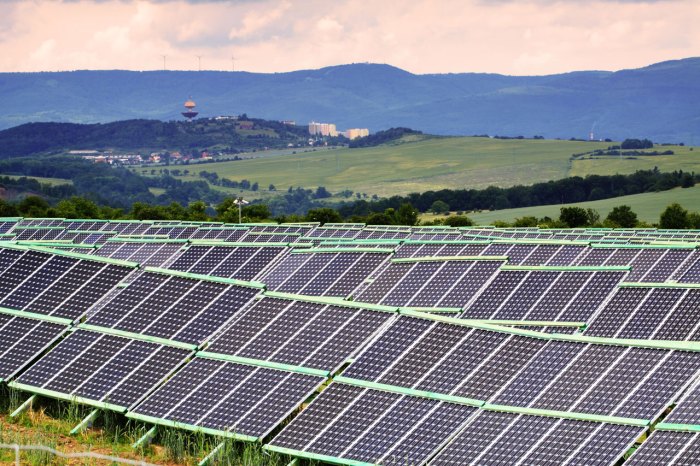
In summary, solar panels offer a promising solution for both environmental challenges and energy costs. As technology advances and incentives grow, more individuals and businesses will likely embrace this clean energy source, paving the way for a brighter, sustainable future.
Common Queries
How long do solar panels last?
Solar panels typically last between 25 to 30 years, depending on the quality and maintenance.
Can solar panels work in cloudy weather?
Yes, solar panels can still generate electricity on cloudy days but at reduced efficiency.
What is net metering?
Net metering allows solar panel owners to sell excess electricity back to the grid, providing credits on their energy bills.
Are there incentives for installing solar panels?
Yes, many governments offer tax credits, rebates, and other incentives to encourage solar panel installations.
Do I need a special permit to install solar panels?
Yes, most regions require permits for solar panel installations to ensure compliance with local regulations.


