
Exploring Probiotic Foods Foods containing beneficial bacteria to support gut health, we dive into the fascinating world of how these foods can nurture our digestive system. From yogurt to kimchi, probiotic foods are not just tasty; they play a vital role in maintaining our gut health and overall well-being. You might be surprised to learn just how these friendly bacteria work wonders in our bodies, supporting everything from digestion to immune function.
With a variety of probiotic-rich options available, it’s essential to understand how they function and which ones to incorporate into your diet. Let’s break down the types of probiotic foods, their health benefits, and some practical tips for adding them to your meals.
Introduction to Probiotic Foods
Probiotic foods are those that contain live beneficial bacteria, which play a crucial role in promoting gut health. These foods harness the power of microorganisms that contribute to a balanced and well-functioning digestive system. By incorporating probiotics into your diet, you can support your body’s natural defenses, enhance digestion, and potentially improve overall well-being.Beneficial bacteria found in probiotic foods perform various functions within the digestive system.
They help break down complex carbohydrates, produce vitamins, and outcompete harmful bacteria for resources. This balance is vital for maintaining a healthy gut microbiome, which can influence everything from digestion to immune response. The main types of probiotic bacteria typically found in foods include Lactobacillus, Bifidobacterium, and Saccharomyces. These microorganisms are known for their positive effects on gut health and overall digestive function.
Main Types of Probiotic Bacteria
Understanding the different types of probiotic bacteria helps in recognizing their specific benefits. Here are the main categories and their key characteristics:
- Lactobacillus: This is one of the most common probiotic strains. Found in yogurt and fermented foods, it helps with the digestion of lactose and has been linked to improved gut health.
- Bifidobacterium: Known for its ability to support gut immunity, this strain is often found in dairy products and aids in reducing symptoms of irritable bowel syndrome (IBS).
- Saccharomyces: This is a type of yeast that can aid in managing diarrhea and is often found in probiotic supplements.
Incorporating these probiotic strains into your diet can foster a healthier gut environment. Regular consumption of probiotic foods can lead to greater microbial diversity, which is essential for optimal digestive health.
Adding probiotic-rich foods to your diet is an easy and effective way to enhance your gut health and overall wellness.
Types of Probiotic Foods
Probiotic foods are packed with beneficial bacteria, essential for maintaining gut health and overall well-being. They can enhance digestion, boost immunity, and even improve mental health. Understanding the types of probiotic foods available can help you incorporate them into your diet effectively.Fermented products are the stars of the probiotic food scene. These foods undergo a fermentation process that promotes the growth of good bacteria.
Each type of fermented food offers unique properties and health benefits that make them valuable additions to your diet. Below is a look at some of the most popular probiotic foods and their specific benefits.
Common Probiotic Foods and Their Health Benefits
Incorporating a variety of probiotic foods into your meals can enhance your gut microbiome and promote better health. Here are some common options and their unique advantages:
- Yogurt: A well-known source of probiotics, yogurt is made from fermented milk and contains strains like Lactobacillus and Bifidobacterium. It aids digestion and may help prevent certain gastrointestinal issues.
- Kefir: Similar to yogurt but with a thinner consistency, kefir is a fermented milk drink that contains more diverse bacterial strains, including Lactobacillus kefiri. It’s known for promoting gut health and improving lactose digestion.
- Sauerkraut: This fermented cabbage dish is rich in lactic acid bacteria, particularly Leuconostoc and Lactobacillus species. It supports immune function and offers a high level of vitamins C and K.
- Kimchi: A spicy Korean dish, kimchi is made from fermented vegetables, typically napa cabbage and radishes, and includes a variety of probiotics. Its benefits include improved digestion and anti-inflammatory properties.
Comparison of Different Probiotic Foods
Utilizing a variety of probiotic foods can maximize the benefits you receive. Below is a comparison of some popular probiotic foods along with the specific strains of bacteria they contain:
| Probiotic Food | Common Bacterial Strains | Health Benefits |
|---|---|---|
| Yogurt | Lactobacillus bulgaricus, Streptococcus thermophilus | Improves digestion, boosts immunity |
| Kefir | Lactobacillus kefiri, Bifidobacterium | Aids lactose digestion, enhances gut flora |
| Sauerkraut | Lactobacillus plantarum, Leuconostoc mesenteroides | Boosts vitamin levels, supports immune health |
| Kimchi | Lactobacillus kimchii, Leuconostoc spp. | Reduces inflammation, aids digestion |
The diversity of strains in probiotic foods contributes to improved gut health and overall wellness.
Health Benefits of Probiotic Foods
Probiotic foods are not just a trend; they are packed with benefits that can transform your health. These foods contain live microorganisms that can positively affect your gut health and overall well-being. By incorporating probiotics into your diet, you may experience significant improvements in various aspects of health, from digestion to immunity and even mental wellness.The foremost advantage of consuming probiotic foods is the enhancement of digestive health.
Probiotics help maintain a balanced gut microbiota, which can alleviate symptoms of digestive disorders. They can ease bloating, gas, and constipation, while also helping to prevent diarrhea caused by infections or antibiotics. This regulation of the digestive system promotes nutrient absorption and overall gut function, making you feel lighter and more energetic.
Role of Probiotics in Immune System Support
A robust immune system is crucial for preventing illnesses, and probiotics play a vital role in strengthening immunity. By enhancing the gut barrier function and modulating immune responses, probiotics can reduce the incidence of infections. They help by stimulating the production of specific antibodies and activating immune cells, which can fend off pathogens effectively.Research has demonstrated the protective effects of probiotics against respiratory infections, with some studies indicating that regular consumption can reduce the duration and severity of illnesses such as the common cold.
According to a study published in the journal
Frontiers in Immunology*, probiotics can modulate immune functions by
- Increasing the production of immunoglobulin A (IgA), which plays a key role in mucosal immunity.
- Enhancing the activity of natural killer cells and T lymphocytes that combat infections.
- Supporting the balance of pro-inflammatory and anti-inflammatory responses in the body.
Impact of Probiotics on Mental Health and Mood Regulation
Emerging research suggests a compelling link between gut health and mental health, often referred to as the “gut-brain axis.” Probiotics are believed to influence mood and emotional well-being through several mechanisms, including the production of neurotransmitters and the modulation of inflammation.Studies have shown that certain probiotic strains can help reduce symptoms of anxiety and depression. For example, a randomized controlled trial found that participants who consumed a specific probiotic yogurt reported lower levels of stress and anxiety compared to those who did not.
The potential mental health benefits of probiotics can be attributed to their ability to:
- Enhance the levels of serotonin, a neurotransmitter that regulates mood.
- Reduce inflammatory markers that are often associated with depression.
- Promote the growth of beneficial bacteria linked to improved mood states.
Incorporating probiotic-rich foods into your diet can not only support your gut but also elevate your overall health, making you feel good inside and out.
Incorporating Probiotic Foods into Your Diet
Probiotic foods are a fantastic addition to your diet, providing essential benefits for gut health and overall wellness. Incorporating these foods into your meals and snacks can be a delightful culinary adventure, with lots of flavors and creative possibilities. Here’s how you can seamlessly blend probiotic-rich foods into your daily routine.Integrating probiotic foods into your diet doesn’t have to be complicated.
By being intentional about including these foods in your meals, you can enhance your gut health without sacrificing taste. Here are some practical ideas for adding probiotics to your diet and making the most of their health benefits.
Recipe Ideas Featuring Probiotic Foods
Incorporating probiotic foods into your meals can be as easy as adding a few ingredients here and there. Below are some tasty recipe ideas that highlight probiotic-rich ingredients:
- Kefir Smoothie: Blend kefir with fresh fruits like bananas and berries for a nutritious breakfast or snack. The tangy flavor of kefir adds a unique twist.
- Yogurt Parfait: Layer Greek yogurt with granola and your choice of fruits. This makes for a delicious and healthful breakfast or dessert.
- Sauerkraut Salad: Toss sauerkraut with mixed greens, cherry tomatoes, and a light vinaigrette. This adds a crunchy, tangy flavor to your salads.
- Kimchi Tacos: Use kimchi as a topping for tacos filled with grilled chicken or tofu. It offers a spicy kick along with the probiotic benefits.
- Fermented Bean Dip: Blend fermented black beans with garlic, lime juice, and spices for a zesty dip that pairs well with veggies or tortillas.
Meal Plans with Probiotic Foods
Creating a meal plan that emphasizes probiotic-rich foods can make it easier to remember to include them in your diet. Here’s a simple plan for a day that incorporates these foods:
- Breakfast: Kefir smoothie with spinach and banana.
- Snack: A serving of Greek yogurt topped with honey and walnuts.
- Lunch: Quinoa salad with sauerkraut, cucumber, and a lemon-tahini dressing.
- Snack: A small bowl of kimchi with rice crackers.
- Dinner: Stir-fry with fermented tofu and assorted vegetables, served with brown rice.
Sourcing High-Quality Probiotic Foods
When selecting probiotic foods, it’s essential to choose high-quality options to ensure you’re getting the maximum health benefits. Here are some tips for sourcing these foods and reading labels effectively:
- Look for Live Cultures: Ensure the product states it contains live and active cultures. This indicates that the probiotics are present and viable.
- Check the CFU Count: CFU stands for colony-forming units. A higher CFU count typically means more effective probiotics; look for at least a few billion CFUs.
- Review the Ingredients: Choose products with minimal ingredients and avoid those containing excessive sugars or artificial additives.
- Research the Strains: Different probiotic strains offer different benefits. Look for products that specify the strains included, such as Lactobacillus or Bifidobacterium.
- Purchase from Reputable Brands: Opt for trusted brands with good reviews and transparency about their sourcing and production processes.
“Incorporating probiotic foods into your diet can be a simple yet effective way to enhance your gut health and overall well-being.”
Potential Risks and Considerations
While probiotic foods offer considerable health benefits, it’s important to be aware of potential risks and considerations, particularly for sensitive individuals. Not everyone reacts the same way to probiotics, and some may experience side effects that can affect their overall health and wellbeing. Understanding these risks is vital for making informed dietary choices about incorporating probiotic foods into your routine.Certain individuals may experience side effects from consuming probiotic foods, especially if they have underlying health conditions.
Common side effects can include digestive issues such as bloating, gas, and diarrhea. These symptoms typically arise when someone begins to introduce probiotics into their diet, as their gut microbiome adjusts to the influx of beneficial bacteria.
Side Effects in Sensitive Individuals
Some people may be more sensitive to the effects of probiotics, particularly those with weakened immune systems, chronic illnesses, or certain gastrointestinal disorders. It’s essential to recognize the following potential side effects associated with consuming probiotic foods:
- Bloating: Increased gas production in the gut can lead to discomfort.
- Diarrhea: Occasional loose stools may occur as the gut microbiome adjusts.
- Increased Infection Risk: Individuals with compromised immune systems might be at risk of infections from certain probiotic strains.
- Allergic Reactions: Some people might experience allergies to ingredients found in probiotic foods.
It’s advisable for individuals who experience any of these symptoms to consult with a healthcare professional to assess their tolerance and make necessary dietary adjustments.
Contraindications for Health Conditions or Medications
Probiotic foods may not be suitable for individuals with specific health conditions or those taking certain medications. Understanding these contraindications is crucial to prevent adverse effects. Individuals in the following categories should exercise caution:
- Immunocompromised Individuals: Those with weakened immune systems, such as cancer patients or individuals with HIV/AIDS, should consult a healthcare provider before consuming probiotics.
- Severe Gastrointestinal Disorders: Conditions like Crohn’s disease or ulcerative colitis may be exacerbated by certain probiotic strains.
- Individuals on Antibiotics: Probiotics may interact with antibiotics, potentially reducing their efficacy or causing digestive upset.
- Pregnant or Nursing Women: Women in these stages should seek professional advice before starting any new dietary supplement, including probiotics.
“Consulting with a healthcare professional before starting a probiotic regimen is crucial for ensuring safety and effectiveness.”
Before incorporating probiotic foods into your diet, it is essential to discuss your specific health concerns and dietary needs with a healthcare professional. This ensures that you are making the best choices for your health, particularly if you have any pre-existing conditions or are on medication. A tailored approach will allow you to reap the benefits of probiotics while minimizing potential risks.
Future Trends in Probiotic Foods
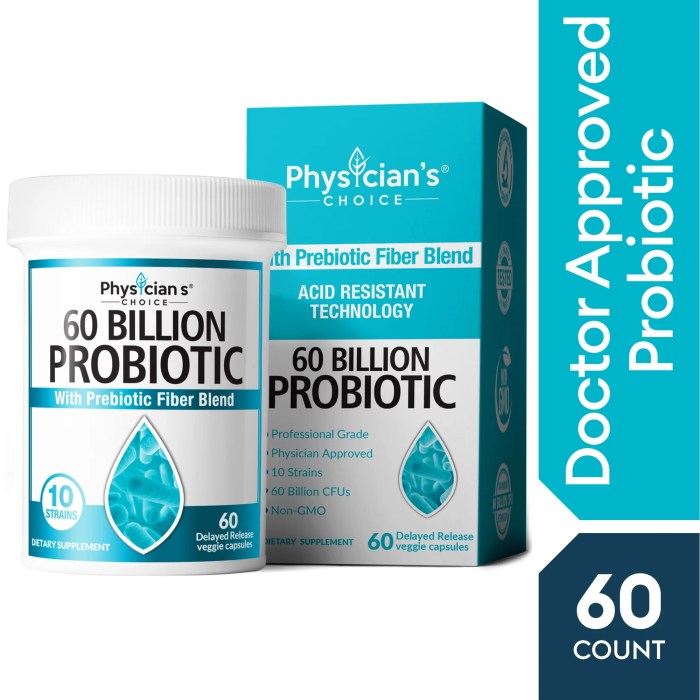
The probiotic food industry is experiencing a surge of innovation and growth, with emerging trends that are reshaping the landscape of gut health. As consumers become more aware of the importance of maintaining a healthy gut microbiome, the demand for probiotic-rich foods continues to escalate. This section will explore the latest advancements and future directions that are poised to influence the market for probiotic foods.One key trend is the development of novel probiotic products that go beyond traditional yogurt and fermented foods.
Companies are exploring a variety of formats, such as probiotic beverages, snacks, and even supplements that blend multiple strains of beneficial bacteria. These innovations aim to cater to diverse consumer preferences while enhancing the overall efficacy of probiotics.
Personalized Nutrition with Probiotics
The concept of personalized nutrition is gaining traction, particularly in the realm of probiotics. Advances in technology now allow for individual gut microbiome analysis, enabling tailored dietary recommendations based on specific microbial profiles. This approach holds the promise of optimizing gut health on an individual basis.Research indicates that the effectiveness of probiotics can vary significantly from person to person, depending on their unique gut composition.
Personalized probiotic solutions could lead to higher efficacy rates, as consumers could select products that target their specific health needs. This could also involve collaborations between nutritionists, microbiologists, and tech companies to create custom probiotic plans, enhancing consumer engagement and health outcomes.
Ongoing Research and Future Directions
The scientific community continues to explore the vast potential of probiotics, leading to exciting findings that may influence future product development. Ongoing research is investigating the role of probiotics in various health conditions, such as mental health, obesity, and immune responses. This research is expected to yield new strains of probiotics that target specific health issues, further expanding the market.For example, studies have shown that certain probiotic strains may have beneficial effects on anxiety and depression, suggesting that gut health is intricately linked to mental well-being.
As this research evolves, we may see a rise in products designed to support not just digestive health but also mental health, potentially shifting consumer perceptions of probiotics.In conclusion, the future of probiotic foods is bright, characterized by innovative products, personalized nutrition solutions, and ongoing research that promises to enhance our understanding of the gut microbiome. As these trends continue to develop, consumers can look forward to a broader array of choices that cater to their unique health requirements while promoting overall wellness.
Conclusive Thoughts
In conclusion, including Probiotic Foods Foods containing beneficial bacteria to support gut health in your diet is a simple yet impactful way to enhance your overall health. With numerous options to choose from and a plethora of benefits to gain, embracing these nutrient-rich foods can lead to a happier, healthier gut. So why not start today? Your digestive system will thank you!
Answers to Common Questions
What are probiotic foods?
Probiotic foods are foods that contain live beneficial bacteria that support gut health and improve digestion.
How often should I consume probiotic foods?
For optimal benefits, aim to include probiotic foods in your diet several times a week, or even daily if possible.
Can I get probiotics from supplements instead of foods?
Yes, probiotics are also available in supplement form, but getting them from food allows you to enjoy additional nutrients and benefits.
Are there any side effects from eating probiotic foods?
Some individuals may experience mild digestive discomfort, especially when first introducing probiotics, but this usually subsides as your body adjusts.
Can I eat probiotic foods if I have a dairy allergy?
Yes, there are many non-dairy probiotic foods available, such as sauerkraut, kimchi, and certain types of fermented beverages.


